
The best stories of creative triumph start with limitations.
"We don’t have the budget. The deadline is next week. The client hates yellow. Legal says no. The logo needs to be bigger– oh wait, the logo needs to be smaller."
If you've worked in any creative field for longer than 24 hours, you've probably encountered some version of this, and while it's tempting to roll your eyes and fantasize about unlimited freedom, I've come to believe something both annoying yet true: Creativity is stifled without healthy constraints.
I’ll start with a very specific example. Some of the most iconic video game soundtracks ever written were composed under absurd limitations.
Back in the 1980s, composers working on games like Super Mario Bros. and The Legend of Zelda were working with a new technological frontier. Primitive sound chips had to be small enough to fit inside of gaming systems, meaning they could only really produce a handful of electronic tones at once. By comparison, modern games can hold much higher quality sound files: thousands of instruments, limitless tracks, and enough computing power to launch a small satellite. Meanwhile, those early composers had approximately six sounds and a dream.
And yet decades later, millions of people can instantly recognize those early melodies as classics; they’ve worked their way into the pop culture lexicon and solidified themselves as instant ear worms, even showing up on the silver screen for the likes of the Super Mario Bros. movie.

Even The Legend of Zelda: Ocarina of Time (widely considered one of the greatest game soundtracks ever created) was built around a pretty significant limitation. The game's songs had to function as playable melodies on the in-game ocarina (basically a small flute for those who don’t know), meaning many of them were intentionally designed around simple note structures that players could actually perform themselves. Every single song written for the game utilized a combination of 5 notes, and they’re still some of the most iconic pieces of music for gamers everywhere.
Instead of being defined by the limitation, the limitation became the identity.
I feel like that's true of great creative work in general. Rather than the absence of boundaries, creativity itself is what happens when someone hands you a box and you figure out how to build something beautiful inside it. It’s why I've always found it funny when people assume creatives need unlimited freedom to do their best work. It sounds really nice until you're staring at a blank document with infinite tools at your disposal and absolutely no idea where to start.
Sometimes the best thing that can happen to a creative is being told:
"You can't do that."
Which brings us to FIFA, because in an effort to protect sponsor exclusivity during the 2026 World Cup, FIFA accidentally handed Levi's a solid creative brief.
If you've never heard of FIFA's "clean stadium" rules (I hadn’t until yesterday), it goes like this: when the World Cup rolls into town, stadiums are required to remove, cover, or conceal branding from companies that aren't official tournament sponsors. FIFA wants the brands paying millions for sponsorship rights to actually receive the exclusivity they're paying for.
It’s reasonable enough, and it’s been going on for a long time. Unfortunately, that created a pretty funny issue:
Levi's Stadium is hosting World Cup matches.

Levi's is not a World Cup sponsor.
Which meant the giant Levi's branding on Levi's Stadium suddenly had to disappear.

Imagine spending years building enough brand recognition to get a stadium named after you, only to have somebody show up and politely drape a giant metaphorical bedsheet over your logo.
These stadium rules have been around for at least a decade, so Levi’s knew what they were in for. But this year, they really leaned into it. They changed their social media profile picture to match the covered sign and created an entire brand campaign around it, embracing the absurdity of the situation and effectively turned their own censorship into the campaign.
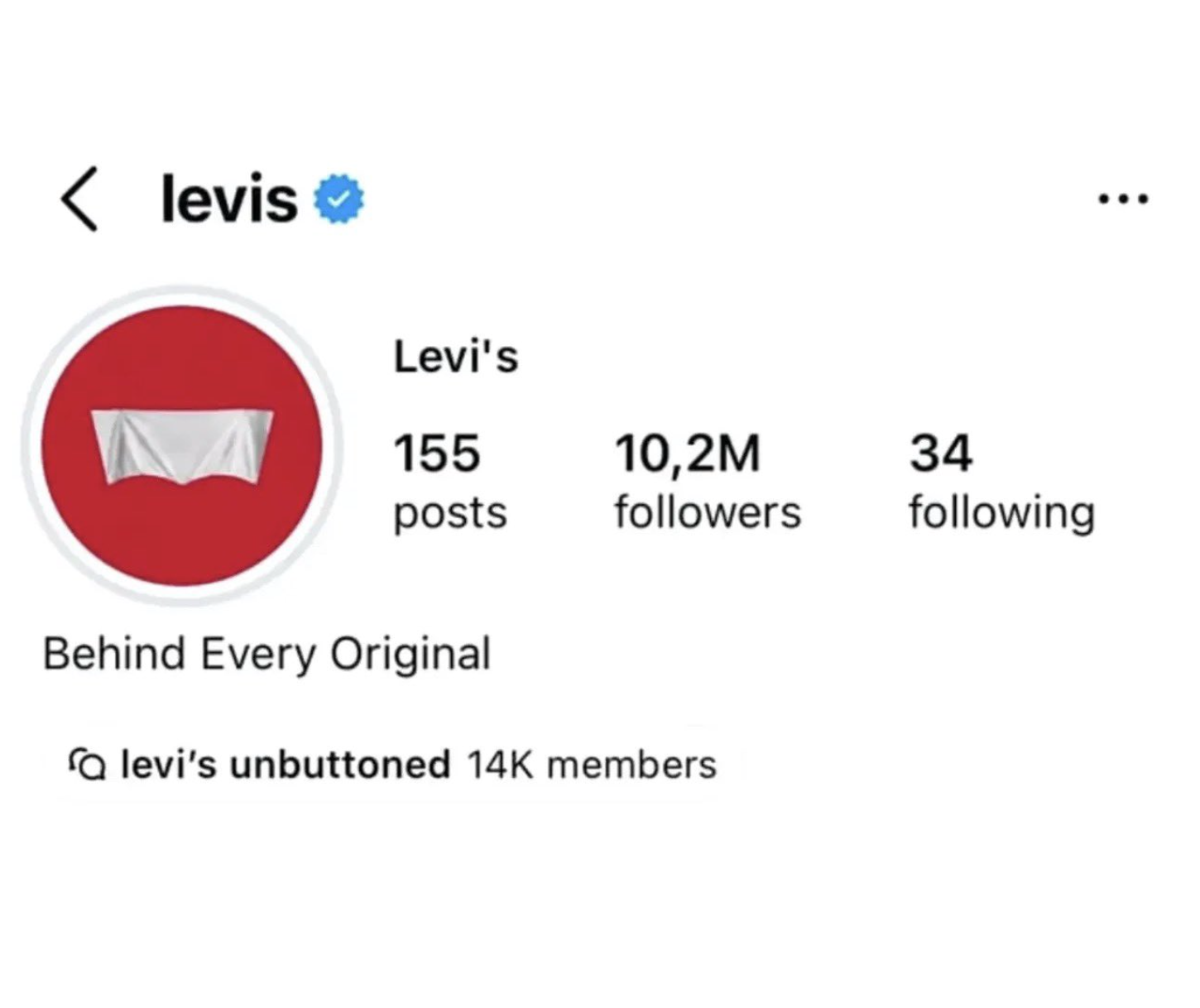
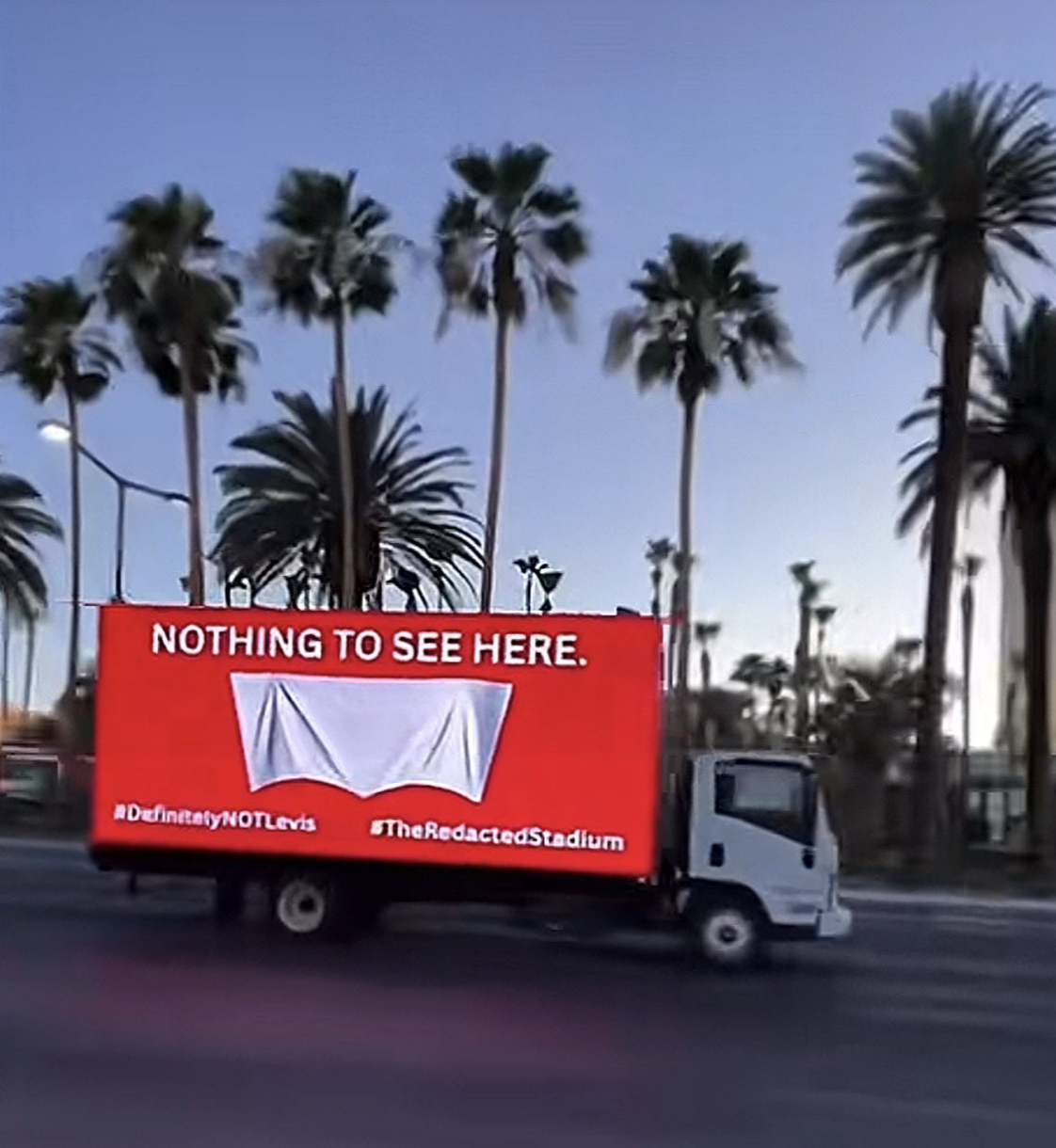
As a result, thousands of people who otherwise never would have thought about sponsorship rights were suddenly talking about Levi's, even though their logo was effectively invisible.
After reports surfaced that ketchup bottles inside World Cup venues had their labels covered with black tape to comply with FIFA's sponsorship rules:

They leaned into the absurdity by creating their own "censored," FIFA-friendly ketchup bottle.
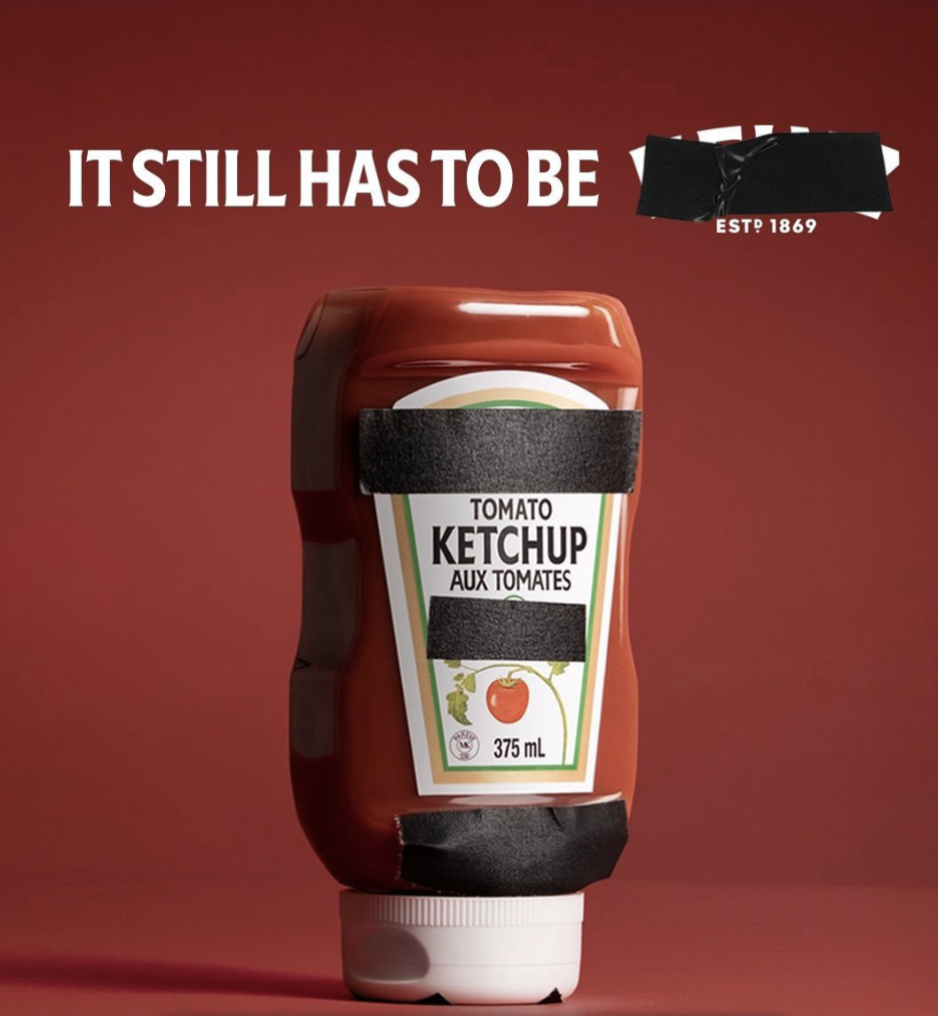
The internet loved it, me included, and that's what makes these campaigns so effective; they’re collaborating with reality and working with their limitations.
One of the quickest ways to kill a creative idea is to spend all your energy wishing the circumstances were different. The best creatives look at the limitation and ask: "What can we do with this?"
The situation reminds me of a famous marketing phenomenon called the Streisand Effect.
Back in 2003, Barbra Streisand sued a photographer over an aerial image of her Malibu home that appeared as part of a coastal erosion project. Before the lawsuit, the image had been downloaded six times, and two of those downloads were made by her own attorneys.
After the lawsuit, hundreds of thousands of people viewed the image, news outlets around the world published it, and the attempt to suppress attention became the reason the attention existed at all.
Now, Levi's isn't exactly a Streisand Effect example. Nobody was trying to hide the logo because it was embarrassing or controversial, but both situations reveal the same human behavior: the moment people tell us we can't look at something, we become extremely interested in looking at it.
The difference is that Levi's understood the assignment, because instead of resisting the restriction, they invited everyone in on the joke.
People love campaigns like these because they’re clever, and cleverness often comes from necessity.
Some of the greatest logos in history were designed under severe production limitations. Some of the most beloved films ever made were produced with tiny budgets, and some of the most memorable ad campaigns happened because somebody wasn't allowed to do the obvious thing.
Constraints force decisions by eliminating easy answers and demanding resourcefulness.
When everything is possible, people often default to the safest option, but when something becomes “impossible,” creativity finally has a reason to show up.
A lot of brands spend enormous amounts of time trying to remove friction from the creative process. More budget, time, options, and flexibility can help, sure. But if there's one thing we’ve learned from years in this industry (and, in my case, from an embarrassing amount of time thinking about video game soundtracks) it's that limitations aren't the enemy of creativity; they’re usually the catalyst. The obstacle is frequently where the interesting idea lives.