
The internet (and Gen Z) specifically have been huffing copious amounts of nostalgia lately. Their drug of choice? Frutiger Aero. The yearn for this scintillating design style is getting louder across the internet, as evidenced by the memes below:
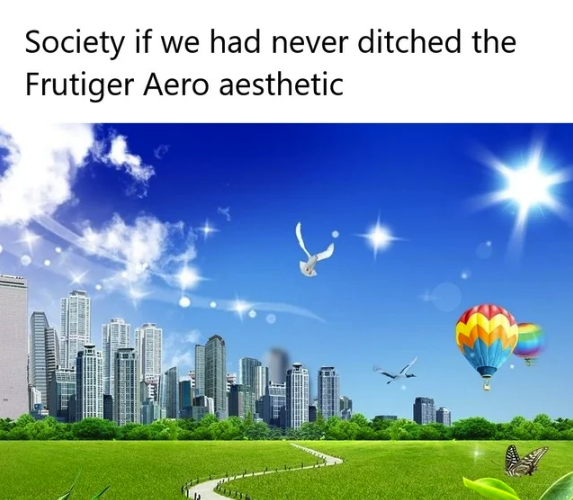


What is Frutiger Aero? What led to its rise and subsequent fall?
And why is it making a comeback 25 years later?
Frutiger Aero is a term coined by Sofi Xian of the Consumer Aesthetics Research Institute to describe a design aesthetic that rose to prominence in the 2000’s. Interestingly enough, this term did not exist until 2017.
The name “Frutiger Aero” comes from two elements: the “Aero” is derived from “Windows Aero”, created by Microsoft for Windows Vista, and the “Frutiger” comes from the Frutiger Font Family created by Adrian Frutiger.
All of these elements culminate in an interface that is both approachable and futuristic, creating a meditative ballet where technology merges with elements that are natural and familiar. These elements lend to the strong sense of nostalgia the aesthetic evokes. But what led to its creation?
We know that no piece of design is by accident, especially in corporate America. Thousands of billed hours go into creating an intentional piece of work, specifically designed to target a consumer base and welcome them into a product ecosystem. To understand why companies like Microsoft decided to create the digital version of a hug, we need to examine the era it rose from.
Much like the bubbly features of a Frutiger Aero design, the attitudes that birthed this aesthetic came from a bubble of their own.
The year is 2000. You log on to a personal computer to chat with your friend on AOL Instant Messenger. You discuss your favorite band: Limp Bizkit. The messages send in an instant. Life is good. The future is now.
Then it popped.
Upon its inception, the World Wide Web was closer to the Wild West than the internet we know today. Companies sprang left and right to get in on that sweet, sweet dot-com cash. The internet presented endless possibilities and what appeared to be a limitless ceiling of earning potential for the corporations and investors that sought to ride the wave.
Until those valuations came crashing down. The optimism for the future did not result in profit (who knew), resulting in the Nasdaq falling from $5,048.63 on March 10, 2000, to $1,139.90 in October 2002, a loss of 76.81% of its value. The majority of the dot-com stocks had gone under, and the populace was left with an economy with roughly $5 trillion dollars in investment losses.
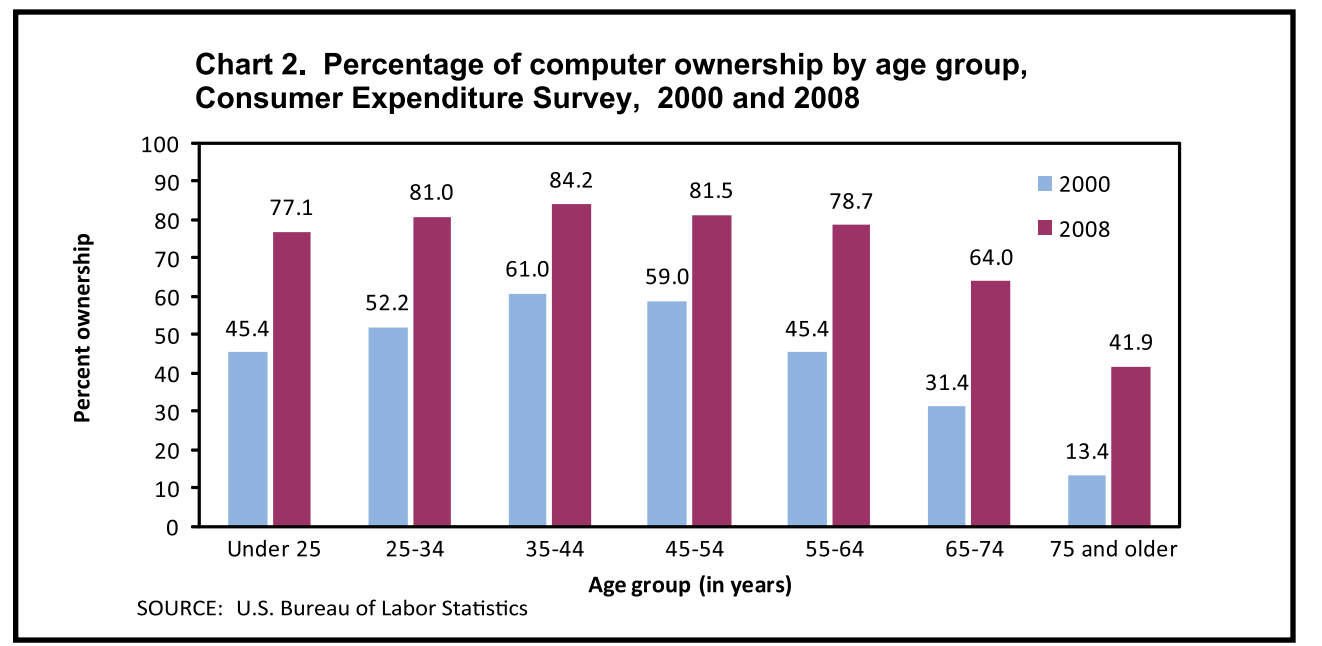
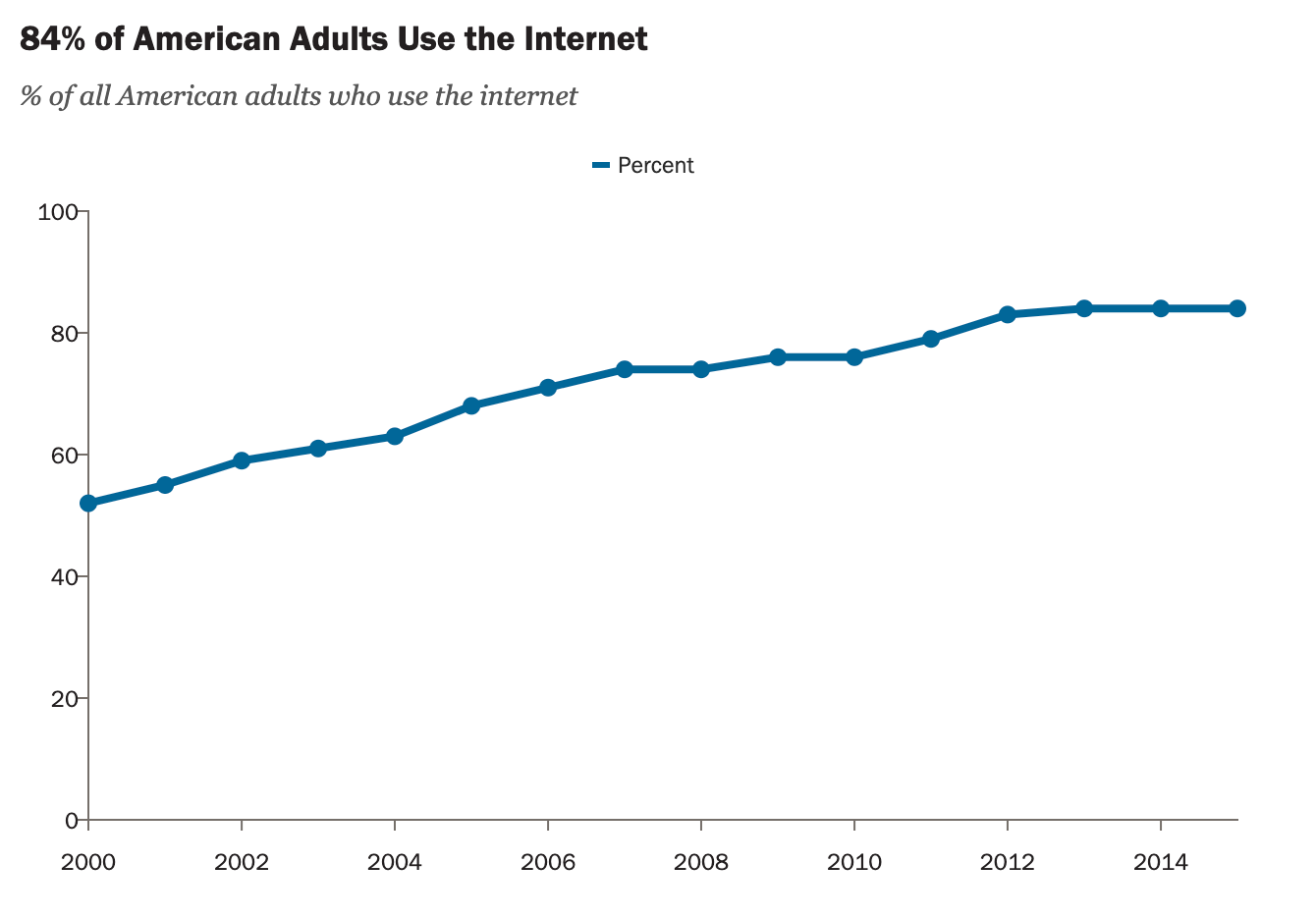
Consumers and investors alike had a harsh come-down from the euphoric high of the web, leaving a bitter taste in the mouth and a growing sense of distrust. Computers at the time were not yet in the majority of homes—let alone in everyone's pocket.
The answer? Frutiger Aero. A design language that paints technology as accessible, clean, and user-friendly. One of the key elements of Frutiger Aero is Skeuomorphism: a digital design that mimics a real-life counterpart. By building user interfaces (UI) that reflect the real world, technology became more user-friendly and less intimidating.
A classic example of Skeuomorphism would be early IOS on the first Iphone.

Compare the lock screens above and put yourself in the shoes of someone using a touchscreen for the first time: one is much more intuitive than the other. The minimalist design of modern IOS would not have been accessible in 2007. In a world transitioning from analog buttons to flat glass, UI design mimicked the technology it was replacing to mediate a smooth transition into this new technological landscape.
Apple, Microsoft, Sony, Nintendo—every major tech company that comes to mind had the forethought to understand their audience. They knew that to grow their brands, they had to meet new users where they were at. Without this willingness to adapt to these needs, the mass adoption of their devices would have, at the very least, been delayed. Frutiger Aero was the warm, welcoming hand that brought the world into the digital age.
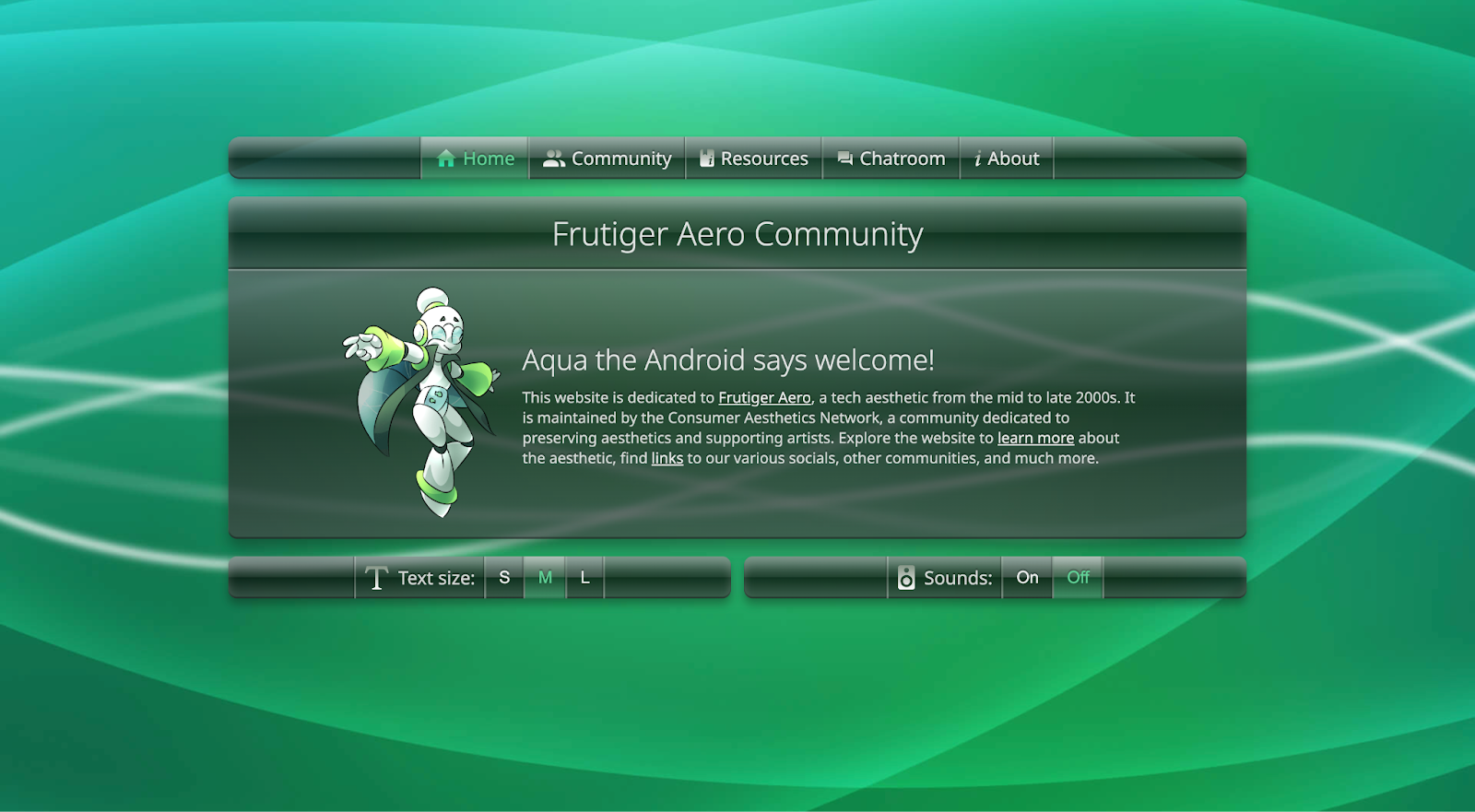
Time is a flat circle, and the calls for Frutiger Aero to return are growing louder, as evidenced by its recent rise in popularity across social networks. So much so that it even has its own community website: https://frutigeraero.org/
But why? Why do we yearn for a design language that by today’s standards could be considered “outdated”? I think the answer in its simplest form is nostalgia.
Gen Z is the first generation to be considered “digital natives”. They only know a life with easy access to an online digital world, and they have witnessed its meteoric rise grow simultaneously with themselves. For the same reasons older generations say “they don't make them like they used to”, prefer classic cars, or turn on Ferris Bueller's Day off for the 100th time: it's comforting.
Frutiger Aero has become the “comfort aesthetic” of Gen Z—a digital safe space that reflects a simpler time with the perfect combination of power, convenience, and utility, without constant social media fatigue, relentless notifications, and widespread online toxicity. A time when technology was not about AI, algorithms, engagement, reach, followers, likes, and everything in between.
The internet was not inescapable. It was the escape. Frutiger Aero showcased technology as an exciting promise, with unlimited bounds. Now the future is here, and perhaps it was not all it was chalked up to be.